 Key Largo Snorkeling Guide
When Is the Best Time to Snorkel Key Largo?
The best time to snorkel Key Largo is almost a trick question: the reef line sits in a subtropical current that never drops below bathwater-cold, so every month of the year is technically open. What actually decides a good Key Largo snorkel day is not the calendar but the sky - wind, swell and storm season - and the clock, because the same water that snorkels like an aquarium at 9 AM turns choppy by mid-afternoon. This guide sorts the year and the day into the windows that matter, from a traveller's side of the decision.
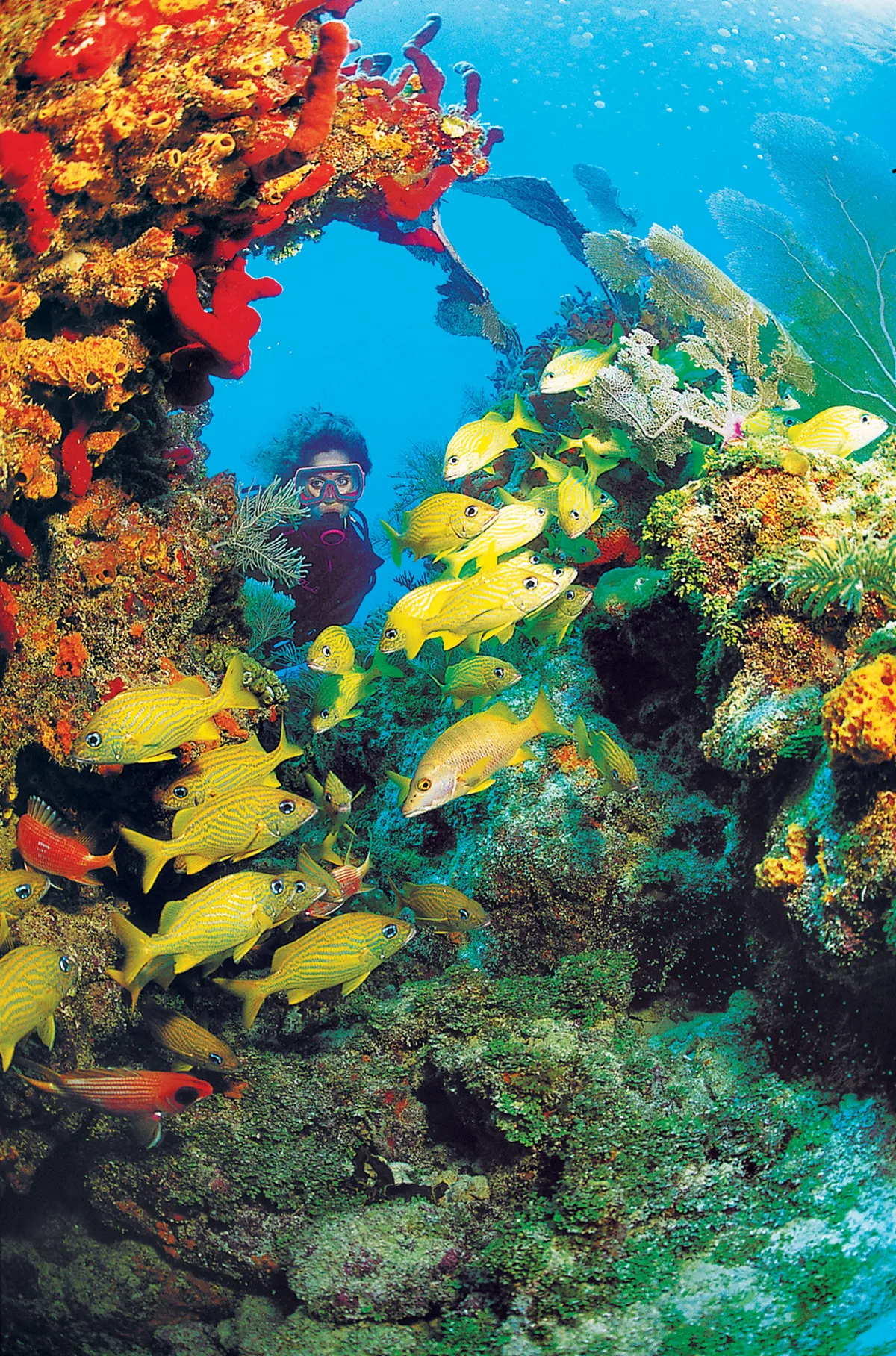
The morning calm that makes the 8-9 AM departures the year's best snorkel window, most months of the year.
Quick answer The month, the hour and the weather windows that decide a Key Largo snorkel day
The best all-round window is April-May and October-November: sea temperatures from the mid-70s to low 80s °F, the year's calmest morning seas, thinner crowds than the school holidays, and the highest odds that the Christ of the Abyss statue is on your boat's route. Summer (June-August) has the warmest water (84-87°F) and the fullest boats - book two to three weeks out and take the morning slot. Winter snorkels fine on the right day (water near 70°F, wetsuits rented cheap) but cold fronts can cancel exposed-reef runs for a day or two at a time. Within any day, the first departure wins: Keys wind and chop build through the afternoon, and the 8:15-9:00 AM boats ride the flattest water of the 24 hours. For which boat to put in those windows, the Key Largo snorkeling tours comparison sits all seven side by side.
The Two Calendars That Actually Matter
Key Largo snorks on two clocks at once. The tropical clock - sea temperature, sunlight, the wet-dry rhythm of the subtropics - barely changes: winter water bottoms out around 70°F, summer peaks at 87°F, and both extremes snorkel comfortably. That is the whole reason the Keys are a year-round reef destination, and the reason month-by-month advice that stops at temperature is useless here.
The weather clock is the one that runs your day. The Keys sit in the trade-wind belt: on a normal day the breeze starts light at dawn, builds through the afternoon as the land heats, and lays back down toward evening. The open-sea reef line, six to seven miles offshore, magnifies every knot of it. So the season question is really a question about which months bring sustained wind and storms (winter fronts, late-summer tropics) versus which bring the long calm highs (late spring, mid-autumn). Add the crowd calendar - spring break, summer holidays - and the year sorts itself into the windows below.
Month by Month on the Reef Line
The averages below read off Key Largo-area sea temperatures; the guidance reads off the operators' own scheduling behaviour, which is the most honest weather instrument there is.
| Months | Sea temp | What the month is actually like | Verdict |
|---|---|---|---|
| Dec-Feb | ~70-72°F | Calm spells between cold fronts; wetsuit weather; emptiest boats and lowest prices | Good with a flexible booking |
| Mar-Apr | 73-77°F | Warming fast; spring break fills boats mid-March through early April | Great water, book early |
| May-Jun | 81-84°F | The calm high season - flat mornings, warm water, pre-hurricane-season quiet | The best-kept window |
| Jul-Aug | 86-87°F | Warmest water, fullest boats, afternoon thunderstorms; lobster mini-season late July | Great - mornings only, booked ahead |
| Sep-Oct | 81-85°F | Storm risk peaks September, then the year's calmest autumn highs in October | September flexible, October excellent |
| Nov | 75°F | Calm, quiet, cooling water; statue trips run most days | Sleeper pick |
Time of Day: The Wind Does the Deciding
Ask any Key Largo captain and the answer comes before you finish: morning. The trade-wind pattern makes it structural, not superstition - the seabreeze ignites mid-to-late morning and the chop follows, so the same reef that shows aquarium visibility at 9 AM snorks wavy by 2. Every operator here schedules around it: Silent World's first check-in is 8:15 AM, Pirates Cove boards at 8:30, Sundiver's statue run leaves at 9. The afternoon slots exist because some travellers have no choice, and the crews run them honestly - reviews describe 1:00-2:30 PM departures as fine on calm days and cancelled-or-substituted on breezy ones.
Three corollaries. The first boat has the first water: emptier reef, better light angles for photos, and the year's best odds on the exposed statue stop. Motion sickness is an afternoon phenomenon: reviewers across the listings name the ride home, into the built chop, as the queasy leg - tablets before the morning boat fix most of it. Afternoon thunderstorms are a summer ritual: June-September, convective storms stack up over the Keys by late afternoon, which is why the 2:15-2:30 PM check-ins are the ones weather eats. If your dates are fixed and summer, treat the morning slot as the trip and the afternoon as the spare.
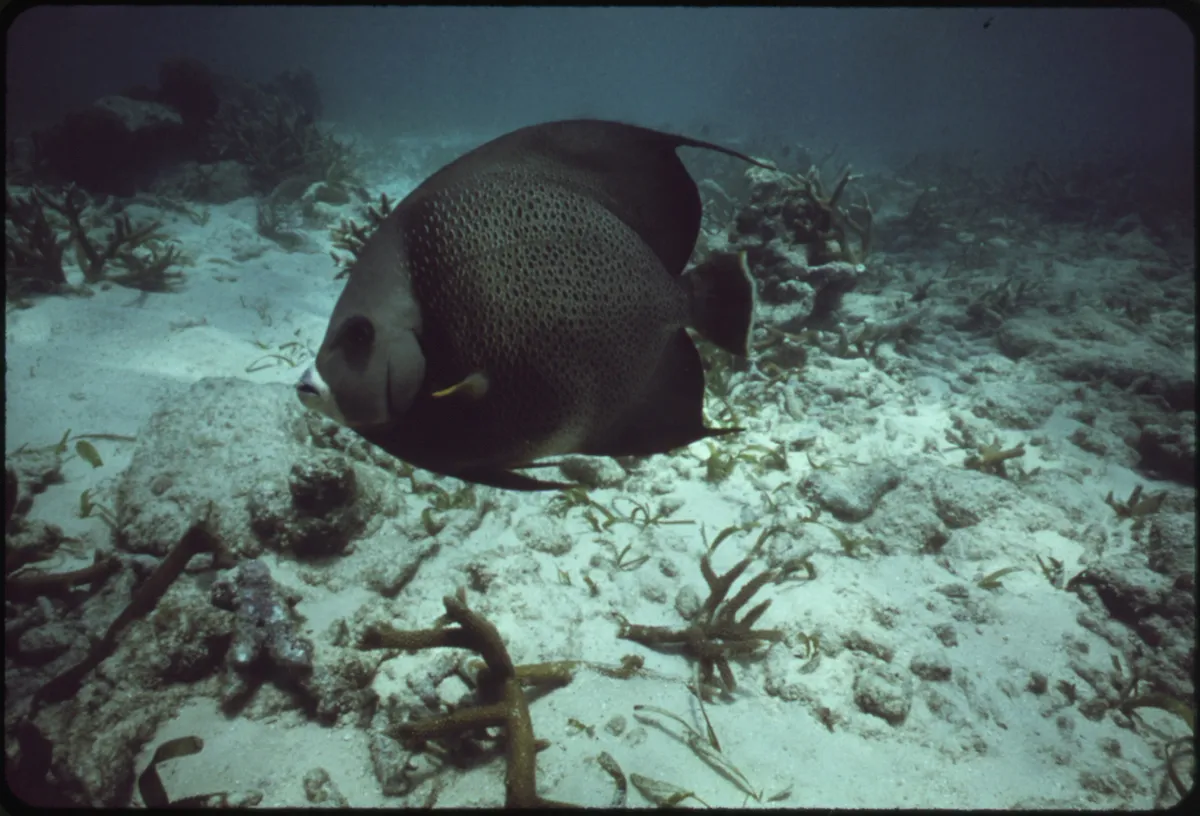
Calm-day water on the reef line - the visibility that weather windows are for.
Wind, Rain and Storm Season
Cold fronts (November-March) are winter's only real obstacle: every week or two a front crosses the state with a day of hard north wind behind it, the exposed reef line goes 3-5 feet, and the boats either run the sheltered nearshore reefs or stand down. The pattern is short - a front costs a day or two, then the high behind it delivers the calmest, clearest water of the winter. This is why winter snorkelers book with flexibility: a Tuesday-to-Saturday trip should hold its boat booking until the forecast reads out, not pre-commit to Wednesday.
Hurricane season runs June 1 to November 30 (NOAA National Hurricane Center), peaking August-October. The honest framing: named storms are rare, targeted disruptions rarer, but the season's edge weeks (early September especially) carry elevated swell and the year's most changeable forecasts. The practical tools are the ones every listing here already gives you - free cancellation to 24 hours, reserve-now-pay-later, and crews that text weather updates - plus travel insurance for the far edge cases.
Rain is nearly a non-event: a tropical downpour clears in an hour and changes nothing underwater (visibility dies from wind-churned sediment, not rain). Reviews say it plainly: the trips that run, run well in and around showers; the trips that get hurt, get hurt by wind.
The Wildlife Calendar Under the Weather Calendar
The reef line runs its own seasons underneath the weather ones, and timing them is free. Sea turtle nesting runs June through September on the Keys' ocean beaches - the females come ashore at night, and by late summer the first hatchlings boil out of the sand; boat crews report the in-water turtle traffic building through the same months. Spotted eagle rays school in formation mostly in late spring and early autumn. Manatees drift into the nearshore and mangrove margins in the warmer months, and the bait-ball action - diving birds, crashing pelagics - clusters in the spring and autumn transitions.
Two honest notes on the fish everyone asks about. Bull sharks do cruise Florida's coastal waters, the Keys included - but what you actually see on the reef line is overwhelmingly the nurse shark: a sand-coloured, bottom-resting, fish-and-crustacean eater that ignores snorkelers, plus the occasional passing blacktip offshore. Reviews across the listings compared here log dozens of nurse-shark sightings and zero incidents. And the broader question - is all of this worth it? The review arithmetic answers for itself: 4.8-4.9 averages across thousands of verified swims, with the turtle and statue sightings recurring as the moments people name. Time the wildlife calendar against the weather one and Key Largo pays out.
The Christ of the Abyss Window
One Key Largo decision is so weather-dependent it deserves its own rule: the statue stops on calm days. Christ of the Abyss stands on an exposed line of reef at Key Largo Dry Rocks, reachable only across open water, and crews skip it without ceremony when the sea is up - Silent World swaps in a leeward reef, Sundiver's 9 AM statue run substitutes shallows. Across the review bases, statueless trips cluster in windy stretches of winter and breezy summer afternoons; the long calm highs of May-June and October deliver it almost daily.
Which produces the booking rule this guide exists for: put your statue trip early in your stay, and your morning slot first. A Monday arrival with a Tuesday 8:15 AM booking has a Wednesday re-run available inside the free-cancellation window; a Saturday-departure traveller who booked the statue for Friday afternoon has neither slack nor sea state on their side. The listing pages - two-reef, shallow morning, Sundiver - carry each boat's exact schedule for the plan.
When the Boats Run: Matching Window to Listing
The listings compared here in our comparison translate these weather windows into concrete timetables, and the match matters as much as the month.
| Listing | Daily slots | Best slot | Best month fit |
|---|---|---|---|
| Two-reef tour | 8:15 / 11:15 / 2:15 check-ins | 8:15 AM - flattest water, best statue odds | Any month; the all-weather workhorse |
| Half-day catamaran | 8:30 AM / 1:00 PM check-ins | AM for calm, PM for late starters | Summer afternoons (storm-aware) |
| Shallow reefs morning | 8:15 AM only | It is the morning slot | Winter chop - nearshore reefs hold up |
| Sundiver beginner | 9 AM statue / midday shallow | 9 AM in calm highs for the statue | Winter with wetsuit; calm weeks |
| 4-hour GYG trip | Times confirm at booking | Whatever the morning slot maps to | Storm shoulder months - mangrove backup |
| Private 2.5 h | By arrangement | First slot of the day | Any - captains reschedule around fronts |
| Private 4 h charter | By arrangement | Morning block | Calm highs - a custom route earns its keep |
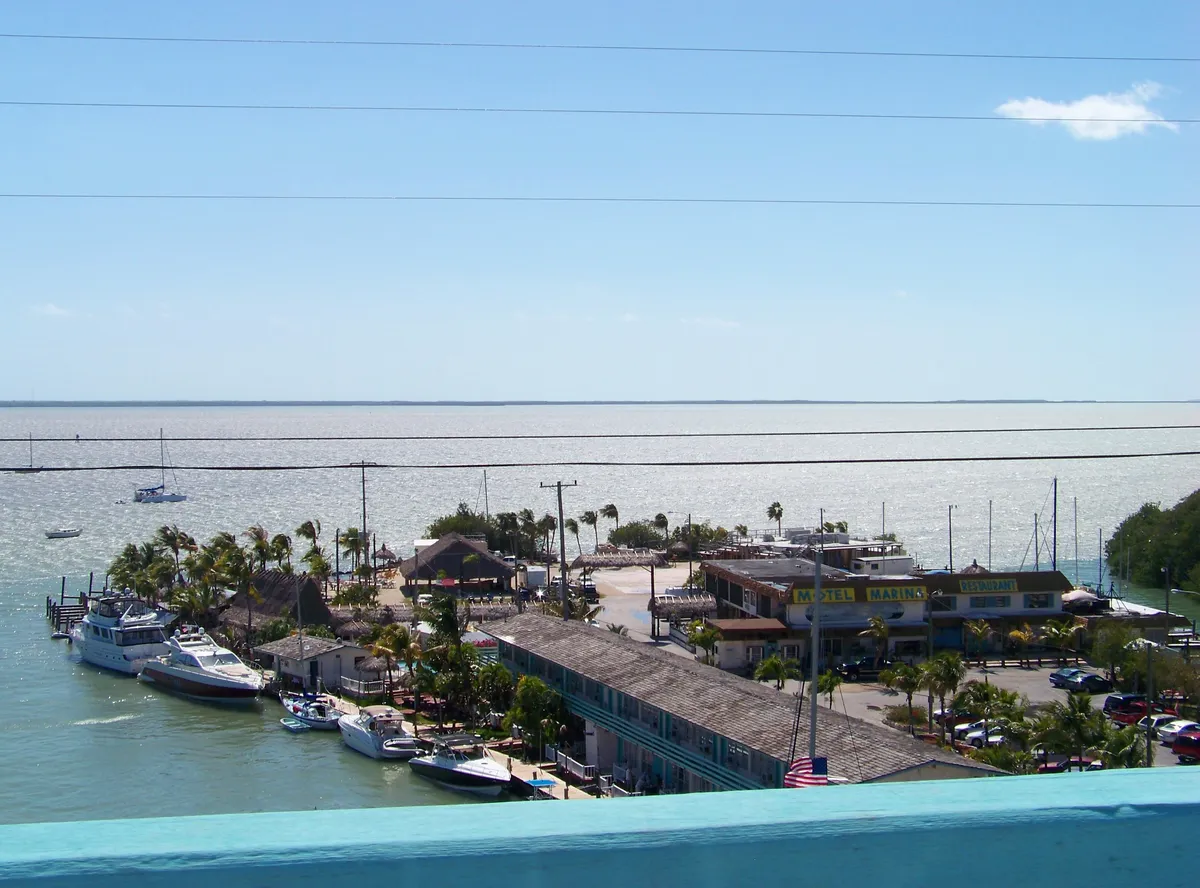
Dockside before the first departure - the departure clock is the weather strategy in its final form. Photo: Idawriter, CC BY-SA 3.0 (Wikimedia Commons).
Five Rules of Thumb, Distilled
Everything above compresses into five lines you can book from. One: May-June and October-November are the windows - calm, warm, uncrowded, statue-friendly. Two: any month works with a morning slot and a flexible booking; the ocean decides, not the calendar. Three: winter travellers rent the wetsuit and keep one buffer day. Four: summer travellers book two to three weeks ahead, take the first departure, and plan around the afternoon storms rather than through them. Five: whatever the month, the statue goes on your first possible morning - it is the one Key Largo sight that weather rations.
- May-June, October-November: the all-round best windows
- Morning first departure: flattest water, every month
- Winter: flexible bookings beat fixed ones - fronts pass in a day or two
- Summer: book 2-3 weeks out; afternoon storms are the real constraint
- Statue trips: earliest morning of your stay, never the last
Reading the Forecast Like a Captain
You do not need a meteorology degree to predict a Key Largo snorkel morning - you need the three numbers the crews watch, all free. Wind speed and direction decide everything: under about 10 knots the reef line runs as advertised; 10-15 knots means the nearshore and leeward reefs; sustained 15-plus means the exposed stations - Molasses, Dry Rocks and the statue - are off the board. Wind from the southeast quadrant hurts most, because it stacks swell straight onto the unprotected ocean side where the famous reefs sit. Swell period is the second number: a 3-foot swell at 8 seconds is soup on the reef line; the same height at 14 seconds can pass almost unnoticed - long-period swell from distant storms travels in and lifts the whole line. The overnight low is the third: a cold front's wind arrives with the front and eases a day behind it, which is why a bad Tuesday forecast often means a fine Thursday.
The practical habit: check the marine forecast (not the beach forecast) two mornings before your slot, and hold your booking until the pattern reads calm - the free-cancellation-to-24-hours terms on every listing here exist exactly for this kind of calendar management.
Booking Windows by Season
Each season has its own booking rhythm, learned from the operators' published averages and the way calendars actually fill. Peak weeks - spring break (mid-March to early April), the July core, and the winter holidays - reward 2-3 weeks of lead: the small boats close first, the 49-seat beginner boat closes last, and the private charters close earliest of all (29-day average lead on the established one). Shoulder seasons - May-June, October-November - run comfortable at 1-2 weeks, with the first-morning slots still worth holding early. Winter is the flexible season: book 5-7 days out, watch the front cycle, and move freely inside the cancellation window - a Tuesday-to-Saturday stay should hold its boat booking until Wednesday's forecast, not book the Wednesday in January panic.
The tool that makes any of this work is the same: every listing here carries free cancellation to 24 hours and reserve-now-pay-later, so the correct pattern is always book-early, move-cheap. The comparison links each listing's live calendar; the two-reef tour and the private charter are the two that reward the earliest holds.
Weather Myths, Retired
"Rain ruins snorkeling." Rain falls on the surface and is gone in an hour; visibility underwater is a wind-and-swell story. Reviews across the listings log excellent swims in and around showers - the cancelled days are the windy ones, rain optional. "The water is too cold in winter." Near 70°F at the coldest - wetsuit-rental cold, not stay-home cold, and the winter calm spells deliver the year's clearest water to the few boats out. "Afternoon storms make summer a write-off." The storms are an afternoon phenomenon and the mornings are pristine; summer snorkelers who take the first slot lose almost no days to weather. "Hurricane season means avoid autumn." The season peaks August-October, but the operational reality is a handful of disrupted days per season; October sits inside the statistical peak and remains one of the calmest, clearest months on the reef line. The honest summary: Key Largo's weather days are a scheduling problem, and scheduling is the one thing every listing in this comparison gives you for free.
The Five-Day Rule for a Keys Trip
Compressing everything above into one planning tool: the five-day Key Largo stay, day by day. Day one - arrive, book nothing: check the marine forecast for the week, hold the two-reef tour or your chosen boat for day two or three morning, and warm up at Cannon Beach if the water calls. Day two or three - the reef morning: the earliest slot your listing offers, motion tablets at breakfast, and the afternoon deliberately empty (the nap is part of the product). The buffer morning - whichever of days two-to-four showed the best forecast window: this is when the statue trip re-runs if weather ate the first attempt, or when the confident swimmers add the shallow morning or the 4-hour edition. Day four or five - the flexible afternoon slots, the kayak creeks, the drives south: the activities that survive wind. The last day - never the reef day; the review sections' saddest paragraphs all start there. Five days, one reef morning held early, one buffer in the pocket: that is the whole best-time strategy in a sentence.
Wind Days: What Still Works
The windy-day Key Largo week is a real itinerary, and the honest version of it has more water in it than travellers expect. The leeward reefs still run: when the exposed line is 3-4 feet, the nearshore patches - the shallow-reef morning's home water - hold swimmable, often glassy conditions, and crews quietly prefer them on such days. The mangrove margins - the ecosystem the 4-hour listing formalises as its backup - snorkel in almost any wind and host the trip's strangest, most intimate wildlife. The pool-and-practice day is not a lost day for a first-timer: hotel-pool reps with the mask are the exact training the first-timer guide prescribes. The dry Keys - Pennekamp's aquarium, the Dagny Johnson hammock trails, the fish-cleaning station theatre at the marinas - absorb a 20-knot afternoon without pretending to be the reef.
The pattern across a windy week is predictable: two or three blown mornings, two run-anyway mornings on leeward water, and the calm high behind the front that delivers the best reef day of the trip to whoever still had a booking on the board. That last sentence is the argument for booking early and moving often - the wind wins only against travellers who pre-surrendered.
Best-Time Questions
What is the best month to snorkel in Key Largo?
May-June and October-November combine the year's calmest morning seas with warm water (81-85°F) and thinner crowds. April and July-August snorkel just as well if you book earlier; winter works on flexible bookings between cold fronts.
Is it better to snorkel in the morning or afternoon in the Keys?
Morning, structurally: the seabreeze builds through the afternoon and the open reef line takes the chop first. The 8:15-9:00 AM departures get the flattest water, the best visibility and the highest statue odds; afternoon trips run fine on calm days but are the ones weather substitutes or cancels.
Can you snorkel Key Largo in winter?
Yes - winter water runs near 70°F, wetsuits rent for about $10, and calm-front spells deliver the year's clearest water. The catch is flexibility: cold fronts stir the exposed reef for a day or two at a time, so winter bookings should move freely inside the free-cancellation window.
What time of day is best for snorkeling visibility?
Early morning, twice over: the overnight-settled water has not yet taken the day's wind-driven chop, and the low-angle sun reads the reef in warm light rather than the flat glare of noon. Visibility on the reef line is a wind story, and the wind is a clock story.
When is hurricane season in the Florida Keys, and should it change my plans?
June 1 through November 30, peaking August-October. For most trips it changes nothing - every listing here carries free cancellation to 24 hours and reserve-now-pay-later, and crews text weather updates. Book normally, watch forecasts the week of, and let the flexible terms do their job.