 Key Largo Snorkeling Guide
What to Bring Snorkeling in Key Largo
What to bring snorkeling Key Largo has a shorter honest answer than most packing-list pages admit: almost nothing. Every shared boat in this comparison includes the core gear, three of them feed you, and the difference between a perfect day and an uncomfortable one usually comes down to four items - towel, sun layer, motion tablet, cash - that take a minute to pack and a lifetime (of mild regret) to forget. This guide does it boat by boat: what each listing already includes, what to wear, what goes in the bag, and what stays home - including the gear that is banned outright.
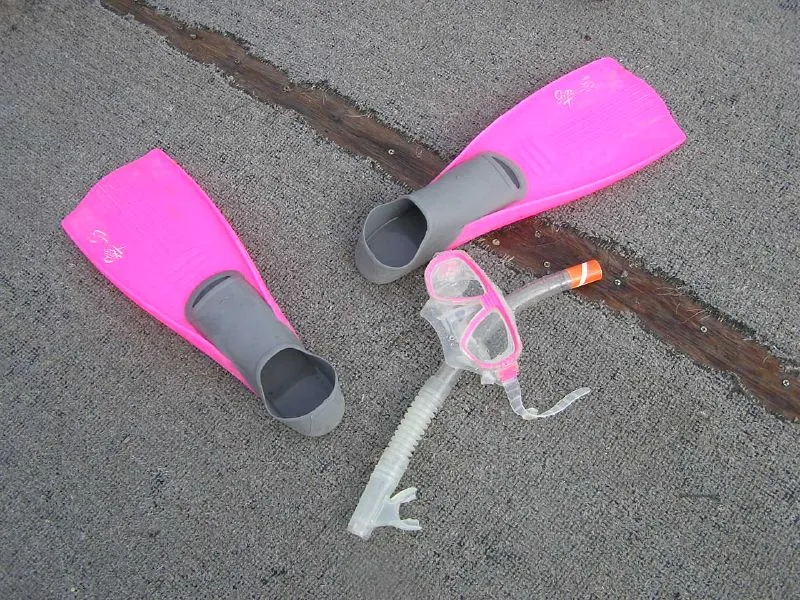
The whole list, packed: one soft bag, one towel, sun protection, a snack, cash for the crew. Photo: Karyn Christner, CC BY 2.0 (Wikimedia Commons).
Quick answer The four-item core list, and what each of the boats compared here already puts in the fare
Core list, any boat: swimsuit worn, towel, reef-safe sunscreen (most boats supply it - bring your favorite anyway), a sun layer (rash guard or shirt), motion tablets taken before boarding if chop ever bothers you, water, a snack, and cash for gratuity (never in the fare). The boat-by-boat differences matter: Silent World includes chips, soda and sunscreen; the Reefhouse catamarans include a towel and vest; Sundiver omits the snorkel (BYO or ~$15) and all food; the 4-hour listing omits towels and snacks (ice cooler provided); the private 2.5 h charter includes wetsuits, noodles and an underwater camera (bring a 32GB microSD or buy for $7). Full breakdown below; the boats themselves sit in the comparison.
What the Boats Already Include - Check Before You Pack
The single biggest packing error at Key Largo docks is duplication - hauling gear the fare already covers - and its mirror image, assuming inclusion where the listing is silent. The matrix below reads straight off the listings compared here in September 2026.
Two listing phrasings deserve quoting, because they are the two surprises at check-in: Sundiver's states plainly that snorkels are not included with the supplied gear, and the 4-hour edition states that towels are not included - both deliberate, both printed, and both cheap to plan around.
| Item | Two-reef | Catamaran pair | Shallow AM | Sundiver | Private charters |
|---|---|---|---|---|---|
| Mask + fins | Yes | Yes | Yes | Yes | Yes |
| Snorkel tube | Yes | Yes | Yes | No - BYO or ~$15 | Yes |
| Vest / flotation | Yes | Vest included | Yes | Yes | Vest + noodles |
| Towel | No | Catamaran: yes / 4-hour: no | No | No | No |
| Snacks / drinks | Chips + soda + water | 4-hour: water only; cooler ice | Chips + soda + water | None | Snacks + soda + water |
| Reef-safe sunscreen | Yes | Yes | Yes | No | No |
| Wetsuit | No | No | No | Rental ~$10 | Private 2.5 h: included if needed |
| Underwater camera | No | No | No | No | Private 2.5 h: included (BYO microSD) |
What to Wear
Swimsuit on, before you leave the hotel - changing space aboard ranges from a restroom cubicle (catamarans) to none (private docks), and the check-in queues are not the place to learn this. Over it, a rash guard or light long-sleeve layer: the Key Largo combination of subtropical sun and water-reflected glare burns through SPF-only protection on a 45-minute swim, and a shirt ends the re-application argument entirely. Footwear is barefoot on these boats (most crews ask for it - decks and gear), so wear shoes that slip off; water shoes matter only if you are doing the shore warm-up at Pennekamp's Cannon Beach, where the rock patches argue for them. A hat that survives wind for the ride out and back - the brim you love is a claims adjuster's dream at 20 knots unless it has a chin strap. And a dry change for the drive home: every dock has a restroom, few have comfort, and the freshwater showers on the Silent World property deserve a dry shirt after them.
One winter note: water temps near 70°F (December-February) make a wetsuit top or the $10 Sundiver rental a genuinely good idea rather than a comfort extra; the best-time guide puts numbers on the months.
Travellers also ask what colors not to wear while snorkeling. The folk warning - that bright yellows attract sharks - has no evidence behind it; the practical rule is the opposite: bright, high-contrast colors make you easier for the boat crew to spot from the deck, which on an open reef line is a feature, not a risk. Wear the neon; leave the camouflage to the dive-shop catalog. If the day is calm and the crew can see you, the swim is worth twice as much.
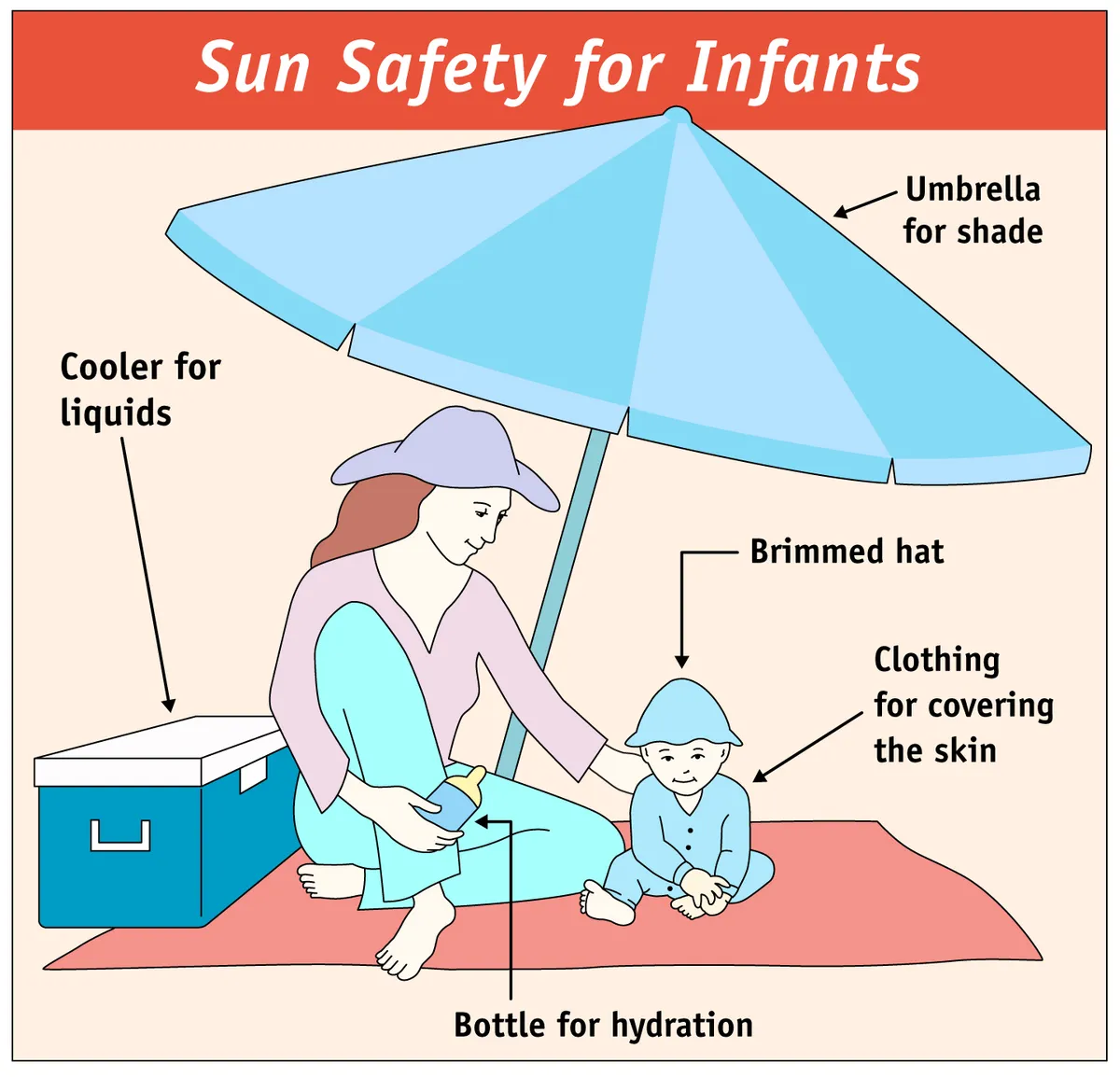
The reef-safe rule: the sanctuary requires it, most boats supply it, and the rash guard beats both.
The Pack List, Item by Item
In one soft bag (duffel or backpack - the boats have dry storage but not lockers):
The towel. The single most-forgotten item at Key Largo docks, because two listings include it and four don't - check the matrix above; when in doubt, bring it. Reef-safe sunscreen, applied before you leave the house and re-applied at the dock: the boats supply it (most of them), but your own stick or lotion travels better than a shared bottle. Water, even where drinks are included - swimming is exercise and the Keys sun is not shy. A snack for the same reason, unless your boat chips for you. Motion tablets (dimenhydrinate or the non-drowsy variant), taken 30-60 minutes before boarding - after the chop starts they are decorative. Cash, small bills, for crew gratuity: never in any fare, custom on every deck. ID and the booking confirmation on your phone. A dry bag or ziplocks for the phone and keys - salt water finds them. And optionally a mask you already own and have tested - welcome on every boat (full-face excepted - the leave-home section explains), and the one piece of gear where personal fit beats rental average.
A note on how to carry it all: the soft bag stays in the boat's dry storage, but build the day around a smaller waist pouch or mesh tote that goes to the platform - sunscreen stick, water, the camera. Everything you might want between swims should be reachable without walking the deck wet, and everything you would only want ashore should be buried where it cannot fall overboard. The travellers with dry phones and dry bags are not the lucky ones; they are the ones who left the non-essentials in the big bag's inner pocket, zipped.
- Towel (unless your listing includes one)
- Reef-safe sunscreen + lip balm, applied early
- Water and a snack (check the matrix - some boats feed you)
- Motion tablets, 30-60 min before boarding
- Cash in small bills for the crew
- Dry bag / ziplocks for phone and keys
- Rash guard, hat with strap, dry change of clothes
Sun and Motion: The Two Real Opponents
Everything uncomfortable on a Key Largo snorkel day comes from two sources, and both are packable. Sun: the ocean version arrives through glare off the surface, which is why swimmers burn in places beach days never touch - behind the knees, the lips, the part in the hair. The defense stack, in order of effectiveness: the rash guard (physical, no reapplication), reef-safe lotion (zinc-oxide based; the sanctuary and most boats require reef-safe formulations - oxybenzone and octinoxate are out), a stick for the face's bony places, and lip balm with SPF. Re-apply at the dock and between swims if your boat runs two stops.
Motion: the open-water run to the reef line is 20-30 minutes of genuine Atlantic, and the review sections of half the listings in this comparison name the chop as the day's only villain. The protocol that works: light breakfast, tablet 30-60 minutes pre-boarding (non-drowsy versions exist; test yours at home first if you have never used one), mid-boat seating, eyes on the horizon, no screen-scrolling on the ride out, and fresh air over the cabin. For the genuinely susceptible, the morning slots and the calm-season windows are the structural fix - the sea state, not the stomach, decides.
Timing note that saves both problems at once: the first departure of the day puts you on the water before the sun peaks and before the wind builds - the same slot fixes the burn and the queasy in one booking. NOAA's Florida Keys sanctuary pages explain what reef-safe means and why the sanctuary requires it.
Leave Home: Banned, Useless, and Risky
Banned on the shared boats: the full-face snorkel mask - every shared-boat operator here prohibits it (design-safety reasons the Sundiver owner states publicly), so don't buy one for this trip; plus, on the Silent World boats, drones, sea scooters and weight belts. Useless aboard: jewellery (loses itself), single-use plastics you'll carry home, hair dryers and the rest of the hotel room. Risky: glass bottles (most boats ban them), non-reef-safe sunscreen (some crews will ask you to wash it off), and valuables beyond a phone in a ziplock - the boats have storage, not security, and the marinas are public places. Your own fins travel worse than they perform: rental fins are fine, crew-fitted, and one less thing between the rental car and the surf line.
Seasonal Extras
Winter (December-February): the wetsuit question gets real - a 1-2 mm top, or Sundiver's ~$10 rental, turns 70°F water from bracing into fine; windbreaker for the ride home; the sun stack matters as much as ever. Summer (June-September): extra water, the rash guard earns its price daily, and the afternoon-storm clock argues harder for morning slots - pack the best-time logic along with the bag. Shoulder seasons: the standard list, no amendments; that is the point of the Keys.
One last line from the docks: whatever the season, the crew gratuity is cash, the towel is the thing people forget, and the tablet is the thing people time wrong. Fix those three and the only decision left is which boat.
Phones, Cameras and Electronics
The water will test every electronic you bring, and the honest hierarchy runs: GoPro-style waterproof camera - the right tool, hands-free on a wrist lanyard, welcome on every boat; the private charter even includes one (your microSD, $7 at the dock if forgotten). Phone in a certified waterproof pouch - the common compromise, and the common heartbreak: test the pouch at home, seal it with the phone in airplane mode (heat + battery + salt spray is the death combo), and accept that surface shots are its ceiling. Leave the rest - tablets, drones (banned on the Silent World boats), speaker boxes; the deck's soundtrack is the crew's and the reviews suggest you'll like it.
Two dock-side realities: dry storage is a bin, not a safe - keys, wallets and the spare lens go in the bag you trust, not the deck bench; and salt eats everything - a rinse in the freshwater shower at day's end (the Garden Cove property has them, the marinas have hoses) doubles the life of any camera that went near the water.
The Crew Side: Gratuity, Counts and Courtesy
The money line first, because it is the one nobody prints on the ticket: crew gratuity is not in any fare on this comparison, and the Key Largo custom runs 15-20% in cash, split among captain and mates. Bring small bills. The rest of the crew side is rhythm: the headcounts - crews count several times per stop, and answering your count instantly is the single most useful thing a passenger does; the ladder - one at a time, hand on the rail, no swimming under the platform; the brief - the safety talk is short, and the boats that run it without phones up run everything else smoother; the reef rules - no touching, no standing, no feeding, no collecting: the sanctuary's rules, the crew's enforcement, the reef's future.
And the courtesy that defines the good decks: say "first time" at check-in - every crew in this comparison would rather teach you at the dock than fish you off the platform; warn them about motion sickness early, not at hour two; and thank the crew by name in the review afterwards - the names (Aaron, Emily, Brad, Nate, Katie, Capt. Bob) recur in these listings' reviews because passengers bother to write them down.
Bags, Dry Storage and the Car Plan
The packing container matters as much as the contents on a boat day. One soft bag per person - duffel or backpack - because the boats' dry storage is a bin or a bench, and hard suitcases do not board. A small mesh or dry bag for the water: mask, sunscreen stick, water bottle - the things you want at the platform between swims; everything else stays in the big bag. Ziplocks are the real technology: phone, keys, the dry shirt - a $2 solution that outperforms most $40 dry bags at the level a snorkel day actually requires. The car plan: leave towels and dry clothes in the trunk? No - bring the dry shirt aboard; the ride home in a wet suit is the review sections' quiet misery. Do leave the second-half-of-day plans flexible: a 9:00-12:30 boat day plus the best-time windows means the afternoon is for the beach, the park, or the nap - and the bag that went to the reef repacks in two minutes for all three.
A Working Pack List, Weighted
Everything above, compressed to a checklist ordered by how much it matters. The four non-negotiables - towel (check the matrix first), motion tablet taken before boarding, reef-safe sunscreen applied before leaving the house, cash in small bills for the crew. The comfort five - rash guard, hat with a strap, water bottle, snack, dry shirt for the ride home. The smart extras - ziplock quart bags for phone and keys, the polarized sunglasses that live on the boat, lip balm with SPF, the mesh bag that keeps the small things in one place. The once-a-trip items - your own tested mask if you own one, the GoPro and its lanyard, the microSD for the private charter's camera. And nothing else: the deck does not need the beach umbrella, the hotel key card collection, or the third pair of shoes - every extra item you carry is one more thing the salt air is holding until the ride home. Pack the list, not the anxiety; the boats supply the rest.
Season-and-Scenario Add-Ons
Four scenarios cover almost every Key Largo packing decision beyond the base list. The winter trip (Dec-Feb): add the wetsuit layer - Sundiver rents shorties (~$10), the private 2.5-hour charter includes them - plus a windbreaker for the ride home and warm hats in the bag; the sun stack does not shrink with the temperature. The summer family trip: double the water, pack the afternoon-storm contingency (dry shirts, a car towel), and let the rash guard carry the sun defense - 87°F water makes long swims easy and sunburn sneaky. The photography trip: the GoPro and its float, the polarizer, a spare battery and the microSD (two - cards corrupt at the worst moment); the private charter's included camera changes the calculus if you booked it. The nervous-first-timer trip: the tablets, the own-tested mask (fit confidence matters more than brand), and the light breakfast eaten early - the packing list is 30% of the anxiety management on a first day.
One scenario-specific denial: no packing list needs the full-face mask - it is banned on every shared boat in this comparison, and the fine-print guide explains the safety logic.
Packing Questions
What to bring on a Key Largo snorkeling excursion?
Swimsuit (worn), towel, reef-safe sunscreen, a rash guard or shirt, water, a snack, motion tablets taken before boarding, cash for gratuity, and a dry bag for phone and keys. The boats supply mask, fins and vests - and most supply food or drinks; check the boat-by-boat matrix above before duplicating anything.
Do I need to bring my own snorkel gear to Key Largo?
Generally no - every listing in our comparison includes mask and fins, and most include the snorkel tube and a vest. The exceptions: Sundiver omits the snorkel (bring your own or buy one for about $15 at check-in), and the private 2.5-hour charter uses your own microSD card for its included underwater camera. Your own tested mask is always welcome.
Why are full-face masks banned on Key Largo snorkel boats?
Every shared-boat operator here prohibits them, citing the design's safety record - a sealed full-face unit makes fresh-air exchange harder and can be dangerous if it malfunctions underwater, and it cannot be cleared the way a classic mask can. Bring or rent a classic separate-snorkel mask; it is what the crews fit and trust.
What are the 7 basic pieces of snorkeling equipment?
The classic list: mask, snorkel, fins, exposure protection (wetsuit top or rash guard), flotation (snorkel vest), sun protection, and a signalling/whistle for open water. On a Key Largo charter boat the boat itself supplies most of it - mask, snorkel, fins, vest are in the fare, the crew is the signalling system, and your bag carries the sun protection and warmth layers.
Should I bring food and water on a Key Largo snorkel trip?
Water, yes - swimming is exercise under subtropical sun even when the boat has a cooler. Food depends on the listing: Silent World includes chips and soda, the operator's shorter edition expects you to bring your own (ice cooler provided), Sundiver includes nothing. When in doubt, a snack you didn't need beats a swim session on an empty stomach.
Do I need water shoes on a Key Largo snorkel boat?
Not for the boat - decks are barefoot and the entries are off a platform or ladder. Water shoes earn their place only on the shore warm-up at Cannon Beach, where the rock patches are real, or on private-dock charters where you walk a wet dock. On the shared boats, sandals you can kick off at boarding are plenty.
Should I bring a wetsuit to Key Largo?
Only in the cool months, and renting beats packing: Sundiver rents shorties for about $10, and the private 2.5-hour charter includes one when needed. A rash guard covers the shoulder-season gap. Water temperatures run near 70°F in winter and 85°F-plus in late summer - the season chart on our best-time guide has the month-by-month numbers.
What should I pack for a winter Key Largo snorkel trip?
The base list plus warmth: a rash guard or wetsuit top (Sundiver rents shorties for about $10), a windbreaker for the ride home, and the usual sun stack - winter sun burns the same. Water temperatures near 70°F make the warmth layer the difference between a full swim and a short one.